


Decorating mistakes are easy to make, especially when a room looks simple at first glance. Most problems come from rushing preparation, choosing the wrong paint, underestimating drying times or trying to cover issues like damp, mould or damaged plaster without dealing with the cause first.
The good news is that many common decorating mistakes can be avoided with a little planning, the right materials and a realistic approach to what the project involves.
The Decorating Mistakes That Cause The Biggest Problems
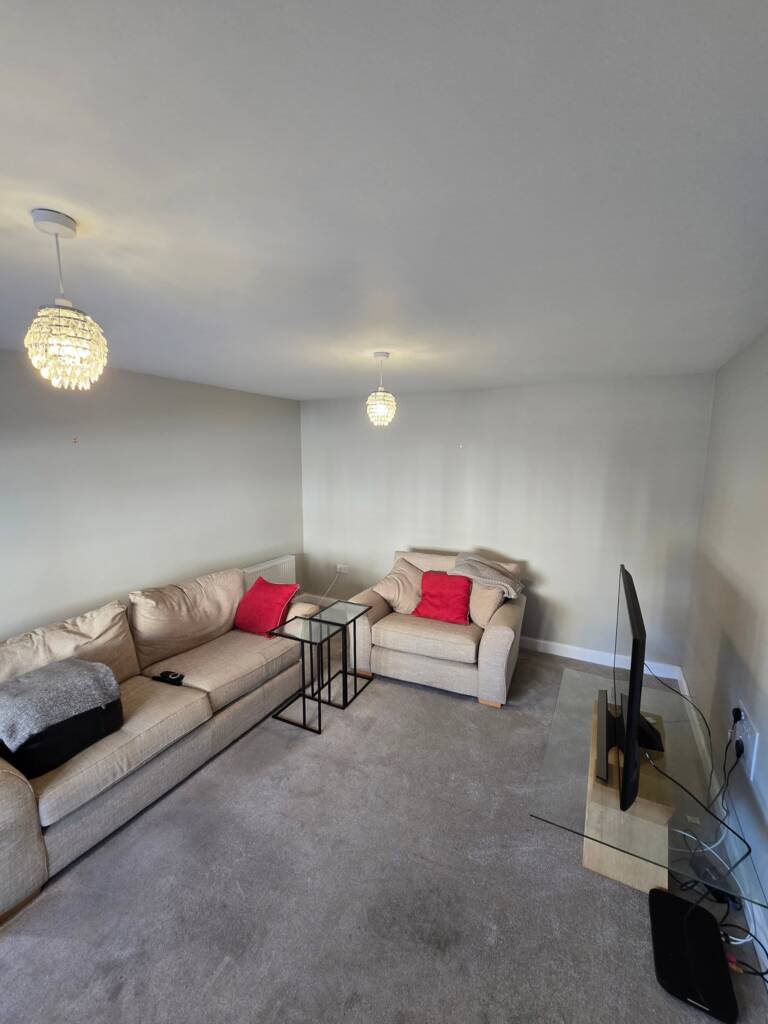
The most common decorating mistakes homeowners make are poor preparation, using unsuitable paint, skipping primer, overloading brushes or rollers, ignoring surface damage, rushing between coats and misjudging wallpaper alignment. These issues can lead to patchy finishes, peeling paint, visible roller marks, bubbling wallpaper and results that do not last.
Getting the basics right before you start is usually more important than the final coat itself.
1. Rushing The Preparation Work
Preparation is where most decorating projects succeed or fail.
Walls, ceilings and woodwork should be cleaned, filled, sanded and dusted down before paint or wallpaper is applied. Painting over cracks, old flaking paint, grease marks or uneven filler often makes the finished surface look worse, not better.
Good preparation may include:
- Removing loose paint
- Filling holes and cracks
- Sanding uneven areas
- Cleaning surfaces properly
- Protecting flooring and furniture
- Applying primer where needed
For larger projects, professional interior painting often gives a better long-term result because the preparation is handled properly from the start.
2. Choosing The Wrong Paint For The Room
Not every paint is suitable for every space.
A busy hallway needs a more durable finish than a spare bedroom. Kitchens and bathrooms often need moisture-resistant paint. Woodwork requires different products from walls and ceilings.
Using the wrong paint can lead to scuffing, staining, peeling or poor coverage.
Before buying paint, think about:
- How much traffic the room gets
- Whether the space is exposed to moisture
- How easy the finish needs to be to clean
- Whether the surface is plaster, wood, metal or previously painted
- The level of durability required
Lower-quality paint can sometimes cost more in the long run if it needs extra coats or wears quickly.
3. Skipping Primer Or Mist Coats
Fresh plaster, bare wood and heavily repaired walls often need priming before decorating.
A mist coat helps new plaster absorb paint evenly. Primer helps paint adhere properly and can stop stains, knots or previous colours showing through.
Skipping this stage can cause:
- Patchy colour
- Poor adhesion
- Peeling paint
- Uneven sheen
- Stains bleeding through
If you are unsure whether a surface needs priming, it is better to check before applying your topcoat.
4. Painting Over Mould Or Water Damage
Painting over mould or water stains is one of the most common mistakes homeowners make.
It may hide the problem temporarily, but it does not fix the cause. Mould can return through fresh paint if the surface has not been treated properly. Water stains can also bleed through ordinary emulsion unless the area has been prepared and sealed correctly.
Before decorating, affected areas may need mould treatment or water damage repairs. This helps create a safer, cleaner and more stable surface before painting begins.
5. Underestimating Wallpapering
Wallpapering looks straightforward until pattern matching, corners, sockets and uneven walls get involved.
Common wallpapering mistakes include:
- Not preparing the wall properly
- Cutting lengths too short
- Ignoring pattern repeats
- Using too much or too little paste
- Failing to smooth out bubbles
- Rushing joins and edges
Feature walls can be especially unforgiving because any misalignment is immediately visible. For high-value wallpaper or full-room installations, professional wallpaper hanging can help avoid costly waste and frustration.

6. Not Allowing Enough Drying Time
Decorating often takes longer than expected because paint, filler, primer and paste all need proper drying time.
Applying another coat too soon can drag the previous layer, create uneven coverage or cause a soft, poor-quality finish. Drying times also vary depending on temperature, ventilation and surface condition.
Always read the product guidance and allow enough time between coats. Rushing this stage rarely saves time once corrections are needed.
7. Forgetting About Lighting & Colour Choice
A colour that looks perfect on a tester card can feel completely different once applied to a full wall.
Natural light, artificial lighting, room size and existing furniture all affect how a colour appears. Dark colours can make small rooms feel enclosed, while bright whites may look cold in shaded spaces.
Before committing, test paint in different areas of the room and view it at different times of day. For bigger projects, colour consultation can help you choose a finish that works with the space rather than against it.
8. Taking On Too Much At Once
Many homeowners start with one room and quickly realise the job is bigger than expected.
Full-property decorating involves planning, sequencing, preparation, drying time and disruption. Without a clear order of work, rooms can become difficult to use and projects can drag on.
For larger refurbishments, full and part decorating services can help keep the project organised and finished to a consistent standard.
When Should You Call A Professional Decorator?
DIY decorating can work well for small, simple rooms in good condition. It is worth calling a professional when the project involves damaged surfaces, wallpapering, multiple rooms, commercial spaces, mould, water damage or a finish where quality really matters.
A professional decorator can also help avoid wasted materials, uneven results and repeated rework.

Frequently Asked Questions
The biggest mistake is poor preparation. Even expensive paint will not hide damaged, dirty or uneven surfaces properly.
For larger projects, detailed finishes, wallpapering or damaged surfaces, professional decorating is often worth it because the finish is usually cleaner, more durable and less stressful to achieve.
Sometimes, but the surface should still be cleaned, lightly sanded and checked for flaking, stains or damage first.
Patchy paint can be caused by poor preparation, low-quality paint, skipping primer, uneven application or applying coats before the previous layer has dried properly.
In many cases, decorating before new flooring helps reduce the risk of paint marks or damage. However, the best order depends on the wider project.
Planning A Decorating Project With Confidence
Avoiding common decorating mistakes usually comes down to preparation, patience and choosing the right products for the job. Whether you are refreshing one room or planning a larger home update, taking time at the start can make a huge difference to the final result.
For practical advice or help with a decorating project, explore K&D Decorating’s professional decorating services or get in touch with the team to discuss your next steps.


